Getting people to your website is only half the battle. The real question is what happens once they arrive: do they enquire, buy or book — or do they quietly leave? A site that looks good but rarely converts is a wasted opportunity. Here is what actually turns visitors into customers.
A clear, compelling message
Within seconds, visitors need to understand what you offer and why it matters to them. A sharp headline and a clear value proposition at the top of the page do enormous work. If people have to dig to figure out what you do, most will not bother. Clarity is the foundation of conversion.
Effortless navigation
People convert when the path is easy. A clean, logical structure that guides visitors smoothly toward the information and the action you want removes friction. Every confusing menu or dead end is a chance for someone to give up. Good websites quietly lead people where they need to go.
Speed and mobile experience
A slow or awkward site loses people before messaging even gets a chance. Fast loading and a smooth mobile experience are conversion essentials, not technical niceties. Most visitors are on a phone, and they will not wait around or wrestle with a clumsy layout.
Strong, obvious calls to action
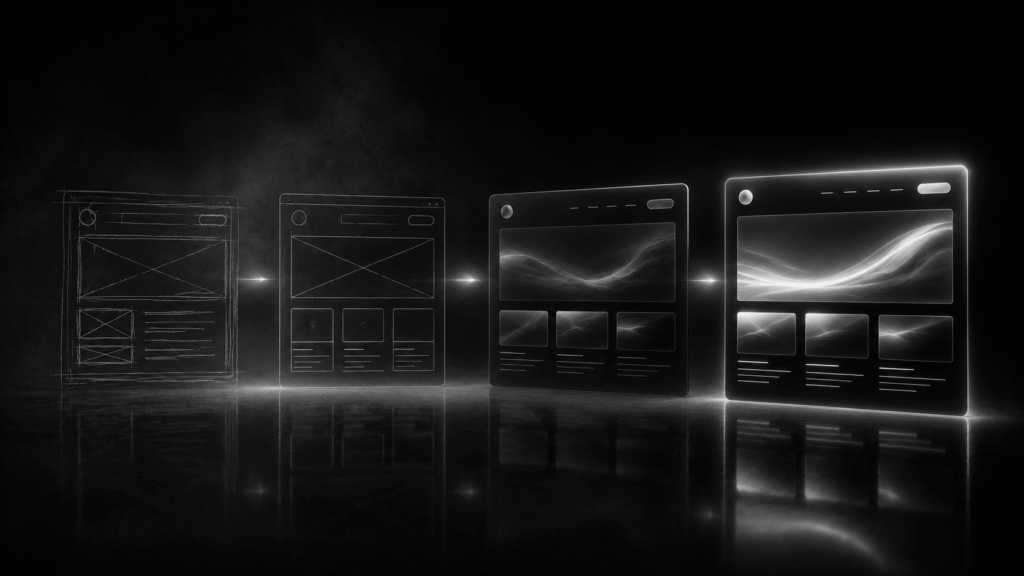
Tell visitors exactly what to do next — call, enquire, book, buy — and make it easy. Clear, well-placed calls to action turn interest into action. A site without them leaves people admiring your work with no idea how to take the next step. A conversion-focused web design company in Ahmedabad designs these in from the first wireframe.
Trust signals
People act when they feel safe. Reviews, testimonials, client logos, real photos, guarantees and a professional design all reassure visitors that you are credible. Trust is often the deciding factor between a visitor who enquires and one who hesitates and leaves. Sprinkle proof throughout the journey.
Reducing friction
Every extra step, every unnecessary form field, every moment of confusion costs you conversions. Make contacting you simple — a short form, a visible phone number, a WhatsApp option. The easier you make it to act, the more people will. Friction is the quiet killer of good intentions.
Designing for the visitor, not yourself
The biggest mindset shift is to design around what the visitor needs, not what you want to say. Answer their questions, address their hesitations, and guide them gently toward the action that helps them. A website built around the customer naturally converts better than one built around the business.
Conversion is a craft
None of this is about gimmicks or pressure. It is about clarity, ease, trust and a smooth path to action — the same things that make any good business feel easy to deal with. Get those right and your existing traffic starts working far harder for you.
Test, learn and keep improving
Conversion is rarely perfect on the first attempt, and that is fine. The best websites improve over time by paying attention to how visitors actually behave. Simple analytics show where people drop off, which pages hold their attention, and where they leave without acting. Those insights point you to what to fix next — perhaps a clearer headline, a more obvious button, or a shorter form. Small, evidence-led changes, made steadily, can lift your results far more than a single dramatic redesign. Treating your website as something you refine rather than finish is the mindset that quietly compounds into real growth.
It is worth remembering, too, how much small changes can matter. Moving a call to action, rewriting a confusing line, or removing one unnecessary form field can noticeably shift how many visitors take action. Because these tweaks apply to all your traffic at once, even modest improvements add up to meaningful extra enquiries over a year.
It also helps to put yourself in your visitor’s shoes. Land on your own homepage as if you had never seen it, and ask honestly: is it instantly clear what this business does, why I should choose it, and what I should do next? If you hesitate even for a moment, your visitors hesitate too — and hesitation is where conversions are lost. That simple, honest test often reveals more than any amount of clever theory about what your website really needs.
If your website attracts visitors but few of them act, the structure and messaging are usually the issue. We would love to help you turn more of your traffic into real enquiries.